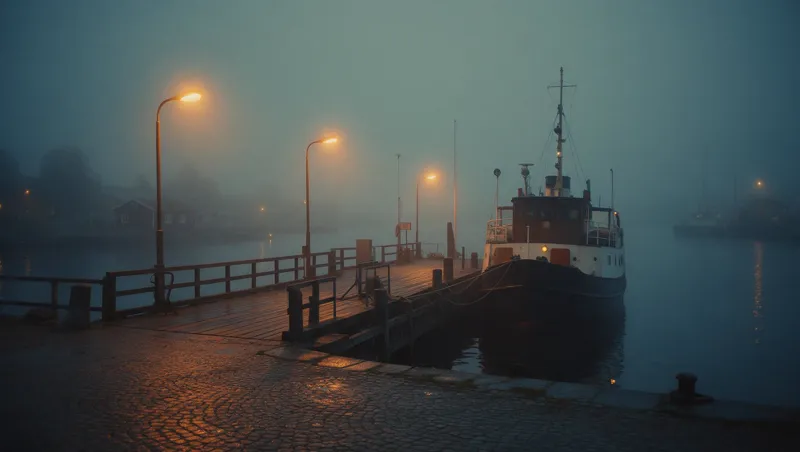
Approve cheap. Render once.
Why nothing in Filmsquare renders at final quality before casting, sets and the animatic are signed off, and what that gate saves you.
Every film is a long row of decisions. Who plays the lead. What the rooftop looks like at night. How long the second shot of scene four holds before the cut. Some of those decisions are cheap to make and cheap to change. Others are not.
With AI doing the labour, the cheap decisions got cheaper. The expensive one did not. A final take is still the costliest thing you can ask a model for, and it is the easiest place to waste money: you render a shot at full quality, see that the lead's jacket is wrong, and render it again.
Filmsquare is built so that this happens as rarely as possible. The rule is short: sign off cheap, render once.
A production is nine departments #
A film in Filmsquare moves through nine departments, in production order: Writing, Breakdown, Casting, Wardrobe, Sets, Props, Animatic, Draft and Final. Each one is a step of every episode, with its own crew and its own sign-off.
Most of them work in stills, text and short drafts. Writing is a script. Breakdown is scenes, shots and the cast, sets and props they need. Casting, Wardrobe, Sets and Props are reference pictures. The animatic is a picked still per shot, timed, with dialogue. Only the last two departments make moving pictures, and only the last one makes them at full quality.
Once the breakdown is signed off, Casting, Wardrobe, Sets and Props run at the same time, each with its own crew. AI prepares every department at once. People make the calls.
The gate in front of the finals #
A new production switches that lock on for Casting, Wardrobe, Sets, Props and Draft. The Animatic always counts. A producer can change the locks per step on the Crew page, for a trailer or a test where a department does not apply.
Drafts are never gated. They render at any time, so the pace stays up while the decisions are still open.
If someone asks for a final too early, the answer is not a silent no. The request is refused, and the refusal names the departments it is still waiting on: casting, sets, animatic. Your own Claude gets the same answer, and the same gate, as anyone else on the crew.
Example · an episode of an example film, priced from the price list
Episode 1Steps that lock the finals
- CastingLock finals until signed offWaiting for sign-off
- WardrobeLock finals until signed offSigned off
- SetsLock finals until signed offWaiting for sign-off
- PropsLock finals until signed offSigned off
- AnimaticAlways countsWaiting for sign-off
- DraftLock finals until signed offSigned off
Drafts · all 5 picked
Final · Example film
Render finals for Episode 1
Each final is rendered from its picked draft. This is the expensive step, so here is everything before you go.
- Shots ready
- 5
- Estimated cost
- 627.75 credits · €31.39
- Model
- Seedance 2.5
Before you render
- Casting · waiting for sign-off
- Wardrobe · signed off
- Sets · waiting for sign-off
- Props · signed off
- Animatic · waiting for sign-off
- Draft · signed off
- Drafts · all 5 picked
What you get
1080p5 clips
Ready for the edit. Your drafts stay in the production.
Finals render once the casting, sets and animatic are signed off.
Retakes after this point cost final prices.
Example. 5 shots of 6 seconds on Seedance 2.5, Final · 1080p: 125.55 credits · €6.28 each, from the price list.
Why the gate sits there #
Look at what a take costs. On Seedance 2.5, a 6-second shot:
| Take | Price |
|---|---|
| Draft, 480p | 22.70 credits · €1.14 |
| Final, 1080p | 125.55 credits · €6.28 |
A final costs about five and a half times its draft. Every question you settle on a draft or a still is a question you do not pay to settle on a final.
And the questions that cause retakes are almost never about resolution. They are about the face, the costume, the set, the timing. Those are exactly the departments in front of the gate. A 1K still of the lead for Casting costs 2.47 credits · €0.12 on Nano Banana 2. A still of a set costs 1.66 credits · €0.08 on Seedream 5.0 Pro. That is the price of being wrong early.
What a sign-off is #
A sign-off is a recorded decision, not a mood. Each step has a rule for who signs: one person from a list, everyone on a list, or anyone with a given role or higher. A signer chooses Sign off or Request changes with a note. Both are stored in their name, with the version they looked at, and never change afterwards.
Two details keep it honest:
- You sign off what you saw. If the work changed while you were looking at it, the sign-off is refused and the new work loads first.
- A sign-off belongs to a version. When the work under it changes, the step reads Changed after sign-off. A new version of a cast member reopens Casting, Wardrobe and Voices in every episode that uses it. A new script revision reopens Writing, and Breakdown and everything after it.
So when the gate opens, it opens on the current work. Not on what was true last Tuesday.
What this changes on set #
The gate moves the arguments forward. The director looks at the lead's face as a still, not as a final take. The costume gets its notes on a reference picture. The animatic answers "does this scene play?" before anyone pays to find out at 1080p.
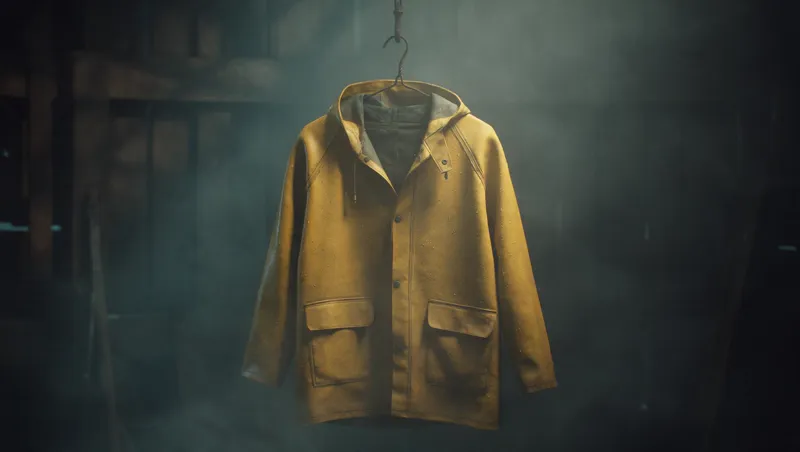
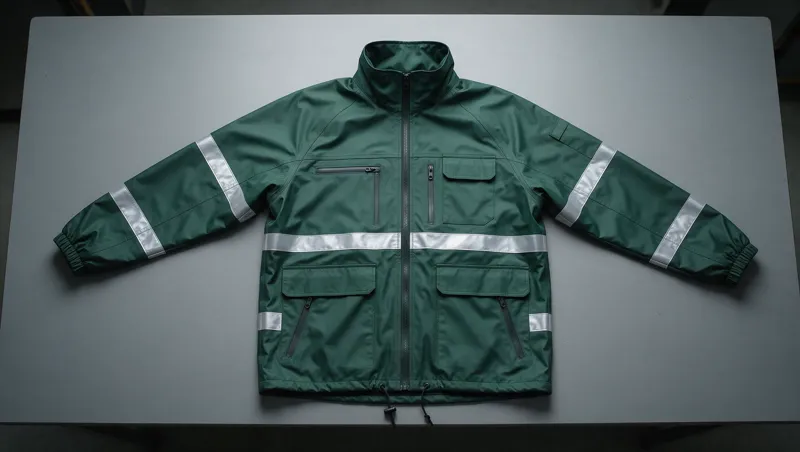
Then the finals render from the picked drafts, once, with every department behind them signed off by name. When someone asks later why a shot looks the way it does, the answer is on the step: who signed off, which version, when.
That is the whole idea behind Approve cheap. Render once. It is not a discount. It is the order a real production already works in, kept by the software so a budget does not leak away in retakes at final quality.
Read more #
- Sign-off and gates, the full rules, including what makes a sign-off stale.
- Departments and the nine steps, what each department produces and waits for.
- Credits and what things cost, every model price in credits and euros.
Next post
Cost per finished film, not price per clip